
Utility-scale energy storage projects
Design, procurement, installation and supervision of power-station-scale BESS systems, all under one roof, from grid connection to day-to-day operation.
PHASES
A range of utility products, complemented by a full-scope EPC contract
FIELDS OF APPLICATION
Megoldások
Utility product range complemented by a full-scope EPC contract
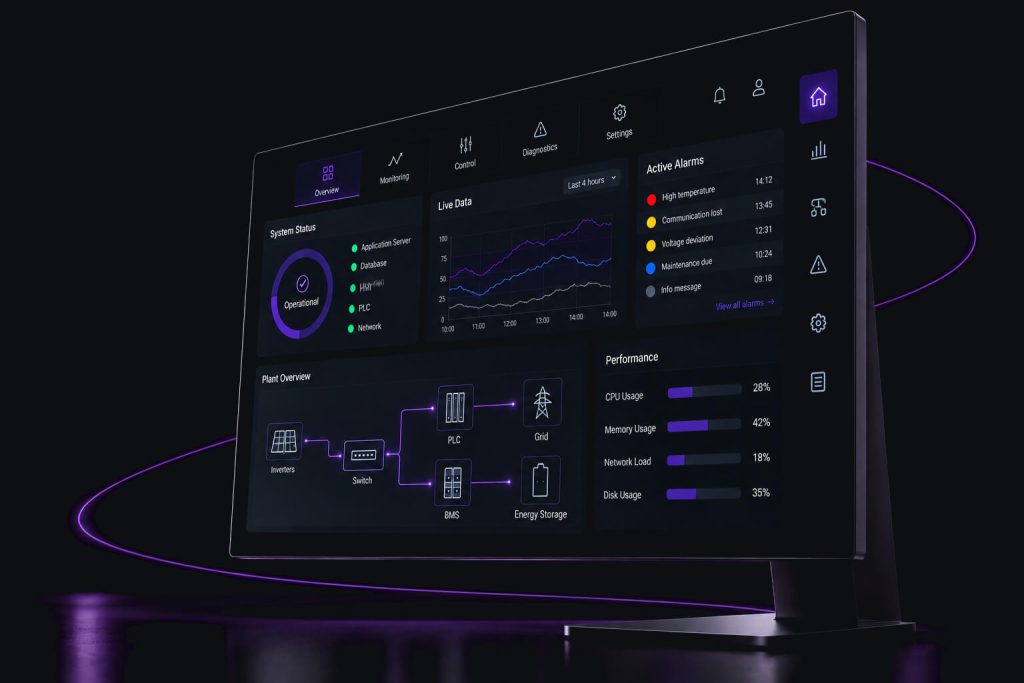
NR SCADA
Supervision and control system for all utility-scale installations — with a configurable, project-specific design.
Network integration and real-time monitoring on a single interface
Configurable on a project-by-project basis
FIELDS OF APPLICATION
Megoldások
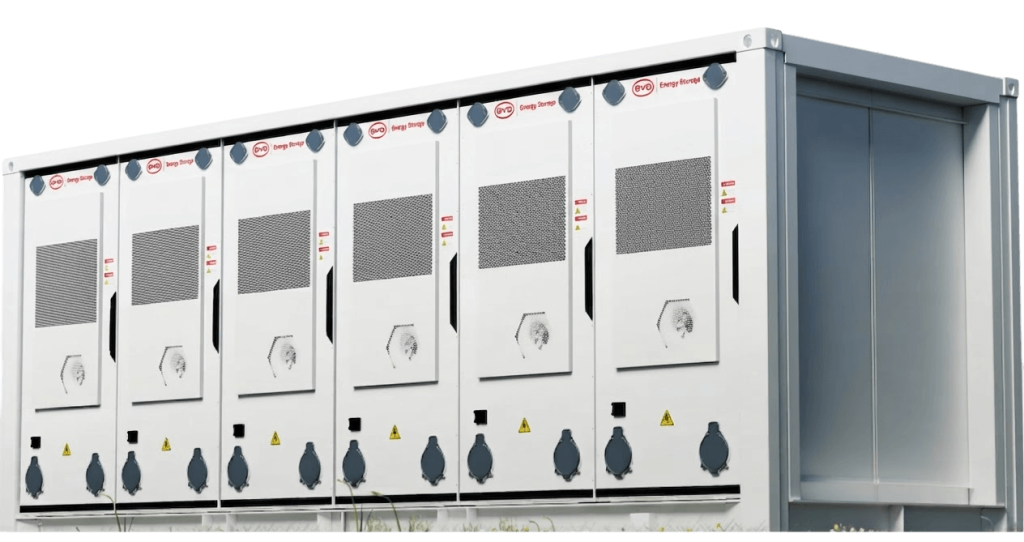

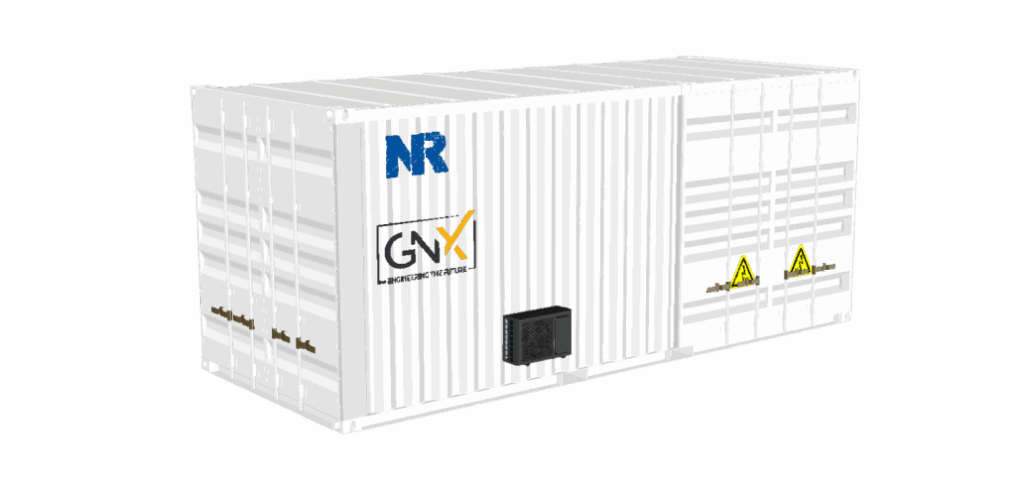
- Utility-scale, containerised BESS solution
- Capacity configurable by number of modules
Megoldások
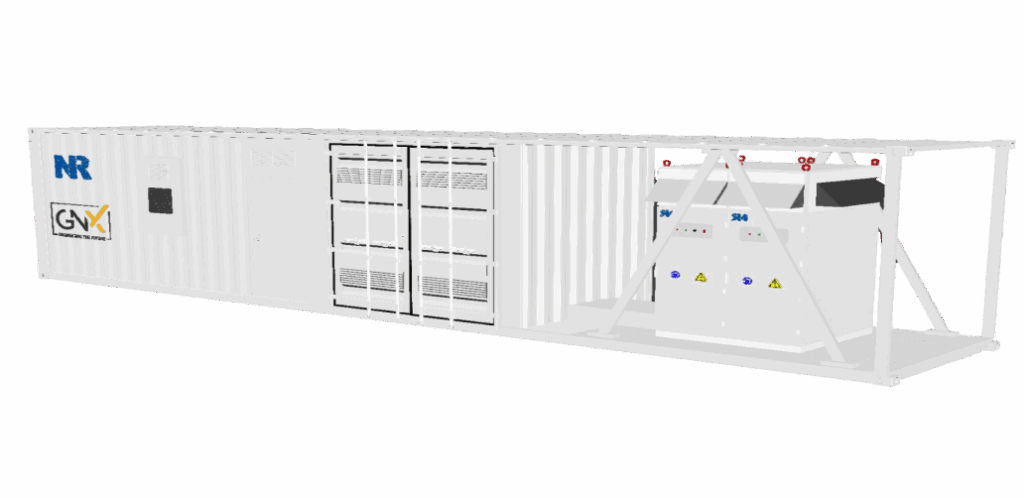

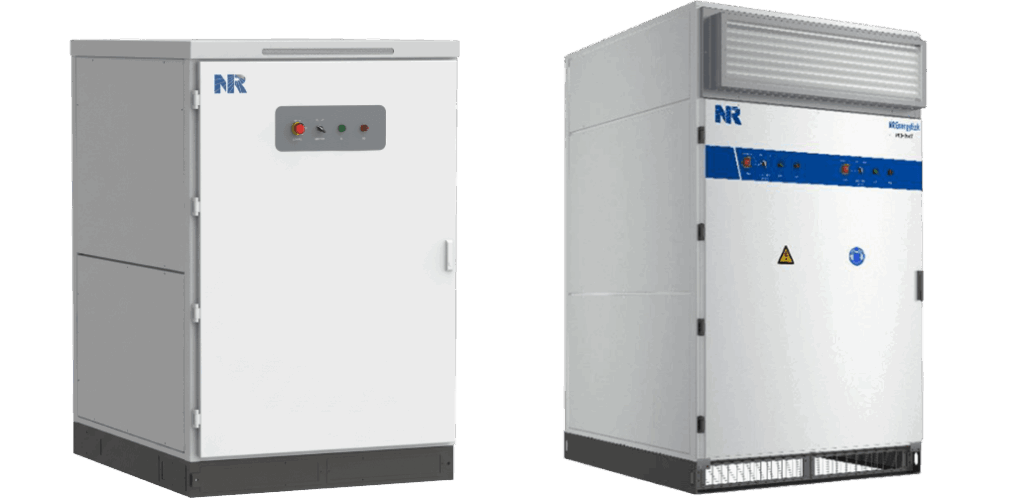
- An integrated, compact storage solution, up to 5 MW
- Configurable sizing to suit project requirements
Megoldások
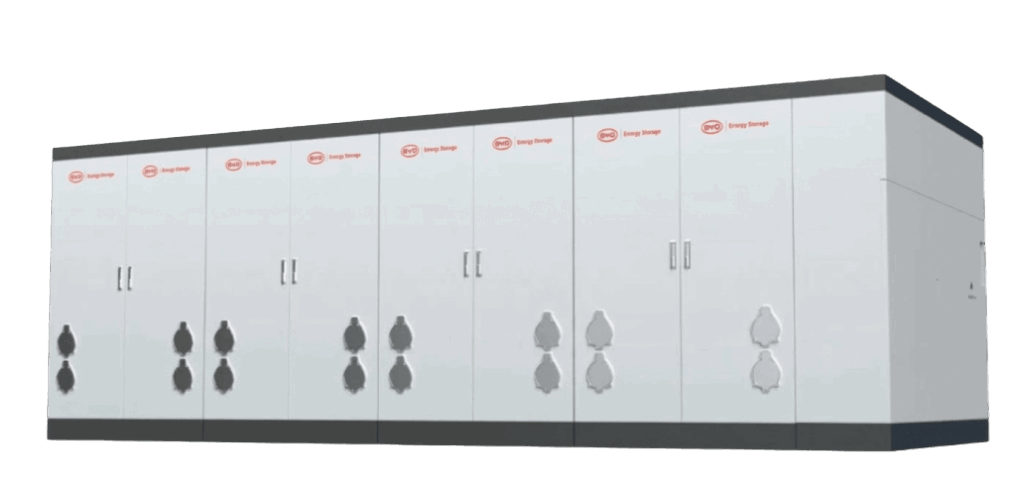
- Utility-scale energy storage product range
- With manufacturer’s reference page and documentation
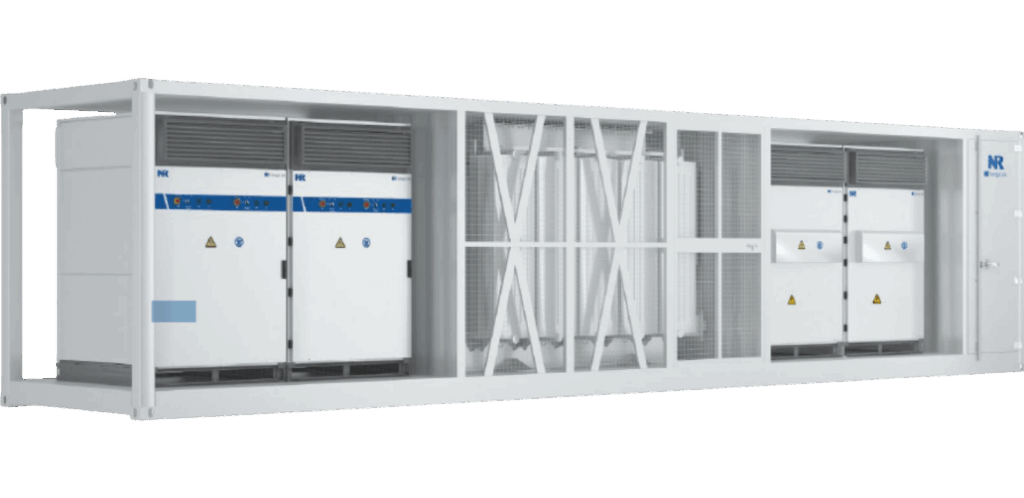
- Utility-scale energy storage product range
- With manufacturer’s reference page and documentation

- Supervision and control system (control engineering
- Configurable, with project-specific design

- Supervision and control system (control engineering
- Configurable, with project-specific design
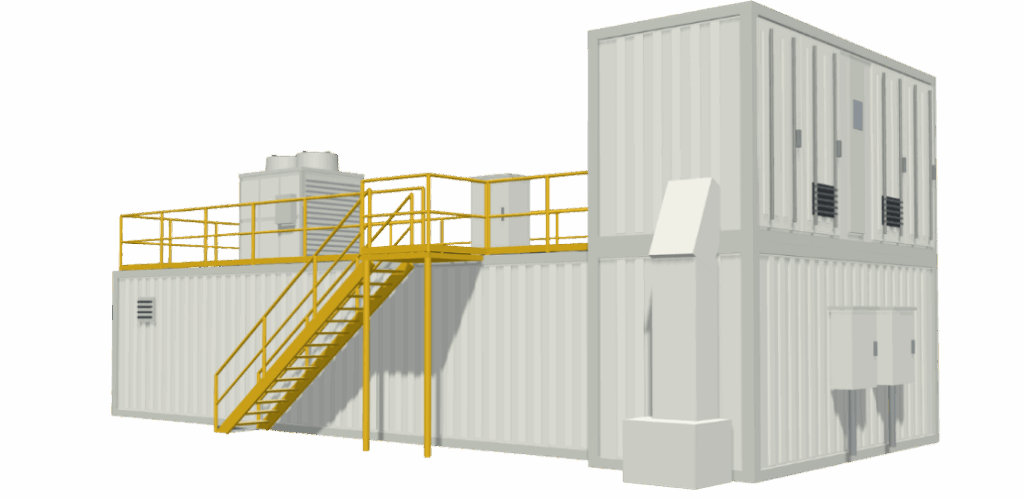

- Vanadium redox flow battery technology
- Scalable capacity regardless of power output, long service life
Primary objective
To ensure the reliable, safe and continuous operation of BESS energy storage systems and associated technologies (PCS, MV Skid, SCADA) throughout their entire life cycle – through proactive and rapid-response operational support.
SERVICES
Scheduled maintenance
Preventative maintenance in accordance with the manufacturer’s specifications and standards: electrical, mechanical and communications checks, with reports drawn up.
Telephone customer service
On working days, between 8 am and 5 pm: fault reporting and technical consultation; outside normal working hours and at weekends, as specified in the contract.
Remote intervention
Remote connection and diagnostics; evaluation of events and alerts; support for configuration and software interventions.
Remote operation
Monitoring of operational statuses, alarms and events via SCADA, including first-level fault analysis and documentation.
Local operation
On-site inspections and checks, operator duties, and the preparation and support of switching and restart operations.
On-call service
In the event of a malfunction, our designated specialists will visit the site, investigate and rectify the fault, and restore the system to a safe operating condition.
Monthly reports
Regular technical and management reports on availability, utilisation, incidents and maintenance carried out.
Warranty fault handling
Recording faults, carrying out first-level investigations and fault diagnosis, and managing warranty claims with the manufacturer until the repair is completed.
When is a fault considered critical?
Faults are handled according to predefined categories (Levels 1–3).
An event is classified as a critical fault if it:
- causes the entire system—or a significant portion of it—to go offline;
- compromises safe operation;
- poses a risk to fire safety, occupational health and safety, or electrical safety;
- prevents compliance with grid connection obligations.
Response Time
The time elapsed from the acknowledgment of a fault report to the commencement of fault resolution. This is distinct from the time required to fully resolve the fault.
Recovery Time
The time elapsed from the reporting of a fault until the system is restored to its original or a temporarily restored operational state.